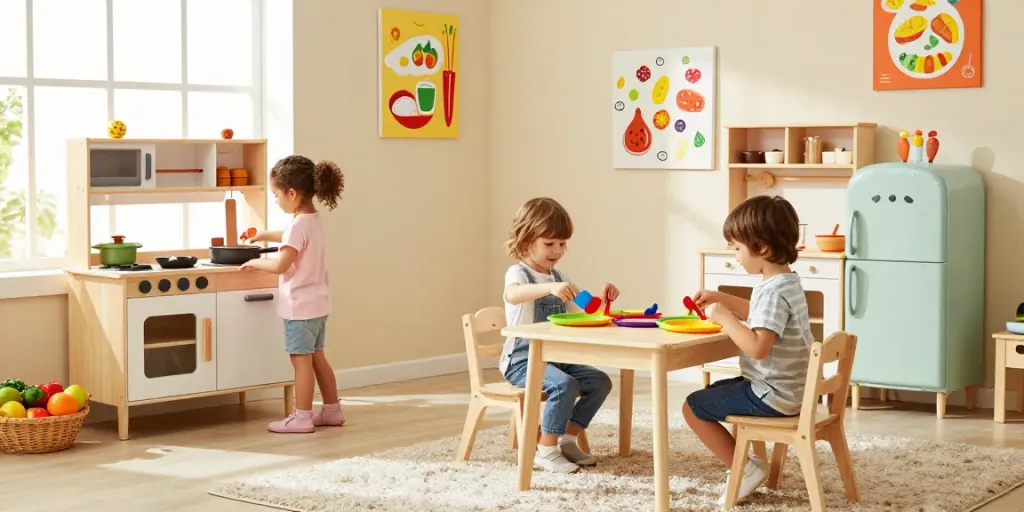
Understanding the Benefits of a Kids Kitchen
In today's fast-paced world, providing children with opportunities for imaginative play is crucial for their development. A kids kitchen serves as a delightful way to engage young minds, allowing them to explore their creativity while having fun. These playsets offer not only entertainment but also educational benefits that extend far beyond the kitchen.
Why Kids Love Kitchen Playsets
Kitchens are often the heart of the home, bustling with activity, smells, and sounds. Children are naturally drawn to this vibrant space, mimicking the adults around them as they engage in pretend play. A kids kitchen provides them a miniature version where they can experiment with various roles, from chef to customer, fostering creativity and ensuring hours of enjoyment.
Developmental Skills Fostered Through Play
Engaging with a kids kitchen set enhances various developmental skills. Children develop fine motor skills by manipulating kitchen tools and accessories, while also improving their hand-eye coordination. Additionally, these playsets encourage problem-solving as children navigate meal preparation scenarios, think creatively to solve "cooking" challenges, and learn to arrange their play ingredients effectively.
The Role of Imaginative Play in Child Growth
Imaginative play is fundamental to child development, providing a safe space for children to explore their emotions and social skills. A kids kitchen allows them to simulate real-life situations, enhancing their communication skills as they interact with playmates or engage in solo play. This type of play is essential for building empathy and understanding social dynamics, crucial components in their emotional intelligence.
Choosing the Right Kids Kitchen Set
When selecting the perfect kitchen set for your child, several factors come into play. The right choice can enhance playtime and ensure that the kitchen serves its purpose effectively, supporting developmental milestones while also fitting seamlessly into your home.
Factors to Consider When Buying
Before making a purchase, consider your child's age, interests, and the available space at home. A smaller kitchen may be better suited for toddlers, while older children might enjoy a larger, more complex setup that includes various appliances and interactive features. Additionally, it's vital to assess safety features to ensure the kitchen set provides a secure environment for your child to play.
Material Types: Wood vs. Plastic
The material of a kids kitchen set greatly influences its durability and aesthetic. Wooden kitchen sets tend to be sturdier and provide a classic look, often boasting intricate details that spark a child's interest. On the other hand, plastic sets are typically lighter and often come with interactive features, such as sound effects. When choosing, weigh the benefits of both materials against your child's preferences and your budget.
Size and Space Considerations for Your Home
Before finalising your choice, measure the available play area in your home. A compact kitchen can fit into a small playroom or corner, whereas larger sets may require a dedicated space. Ensure there's ample room for safe movement around the kitchen to prevent any accidents while your child plays.
Enhancing Playtime with Accessories
To truly immerse your child in the world of culinary creativity, consider expanding their kitchen playset with essential accessories. The right additions can turn a simple kitchen into a full dining experience, enhancing both play and learning.
Essential Accessories for a Complete Kids Kitchen
Accessories such as pots, pans, utensils, and play food are crucial in creating an engaging play environment. These items not only make the kitchen more realistic but also provide opportunities for role-playing. Children can mimic cooking, serving, and sharing meals, which deepens their understanding of social interactions and reinforces skills learned through play.
Food Playsets: Building Culinary Imagination
Food playsets are particularly beneficial as they allow children to explore different cuisines and learn about nutrition. By introducing diverse food items, kids can engage in imaginative cooking scenarios, develop a sense of taste, and even learn about meal planning and preparation.
Safety Features to Look For in Kitchen Toys
Safety is paramount when it comes to children's toys. Look for kitchen sets that are free from sharp edges, made of non-toxic materials, and equipped with features such as rounded corners. Additionally, check whether the toys meet safety standards, ensuring they are safe for your little chef to enjoy without worry.
Incorporating Real Cooking Skills
As children grow, parents can encourage a transition from imaginative play to real-world cooking skills. A well-designed kids kitchen set can serve as a stepping stone towards introducing your child to basic culinary techniques.
How to Transition from Play Kitchen to Real Cooking
Introduce your child to real cooking gradually by starting with simple recipes that correspond with their play activities. For instance, if they enjoy making pretend pizzas, engage them in making homemade pizzas together. This hands-on experience can enhance their understanding of cooking processes while reinforcing their love for the kitchen.
Simple Recipes for Kids to Try
Kids can begin with straightforward recipes that encourage participation without overwhelming them. Examples include:
- Fruit Salad: Allow them to choose their favourite fruits to chop (with supervision) and mix together.
- Mini Pizzas: Use premade bases and let them add toppings of their choice.
- Sandwiches: Teach them to assemble their sandwiches, encouraging creativity in combining ingredients.
Parental Guidance: Encouraging Safe Cooking Practices
As they transition to real cooking, ensure you supervise closely. Discuss proper hygiene, safe handling of kitchen tools, and the importance of cooking together for family bonding. This approach will foster their love for cooking while instilling essential safety practices.
Future Trends in Kids Kitchen Playsets
The world of kids kitchen playsets is evolving rapidly, with future trends reflecting technological advancements and changing consumer preferences. In 2026, we can expect to see exciting innovations that enhance play and learning.
Innovative Designs and Technology in 2026
Future kitchen sets are likely to incorporate interactive technology, such as augmented reality and smart features. These advancements will provide an immersive experience, allowing kids to interact with their kitchen in new ways, such as receiving cooking prompts and engaging with virtual chefs.
Eco-Friendly Materials and Sustainability
As environmental awareness increases, parents are seeking eco-friendly options for their children's toys. Expect to see more kitchens made from sustainable materials, such as reclaimed wood and biodegradable plastics that offer a minimal carbon footprint while promoting a healthy play environment.
Community Engagement: Online Resources and Classes
In the coming years, online platforms dedicated to children's cooking classes will likely become more prevalent. These resources can provide parents and children with guidance on culinary techniques, food safety, and even nutrition education, creating a supportive community around children's cooking.
What is the best kitchen for kids?
The best kitchen for kids varies depending on individual needs, but look for one that offers durability, realistic features, and safety. Assess your child's interests to find a set that will engage them the most.
What age to get rid of kids kitchen?
Children typically outgrow their play kitchen around the age of 8 to 10, but this can vary based on their interests. If they no longer play with it, consider donating it to another child or repurposing it as storage for toys.
How much does a kitchen set for kids cost?
Prices for kids kitchen sets range widely, from £50 for basic models to over £300 for high-quality wooden designs with multiple features. Consider your budget and what will provide the most value for your child's play experience.
Where can you buy kids kitchens?
Kids kitchens can be purchased from various retailers, including toy stores, department stores, and online marketplaces. Always compare prices and read reviews to ensure you're getting the best quality.
What accessories enhance a kids kitchen?
Accessorising with play food, utensils, and cookware can significantly enhance the play experience of a kids kitchen. Items such as bakeware, tableware, and even themed food sets can stimulate creativity and encourage varied play experiences.